Gemini 4 Argon vs. GPT-6.1 Sol: The AI Pricing War Is On
Google's Gemini 4 Argon at $2/$10 per million tokens and OpenAI's GPT-6.1 Sol at one-fifth of Astra's price signal a margin-destroying AI model price war.
Key Points
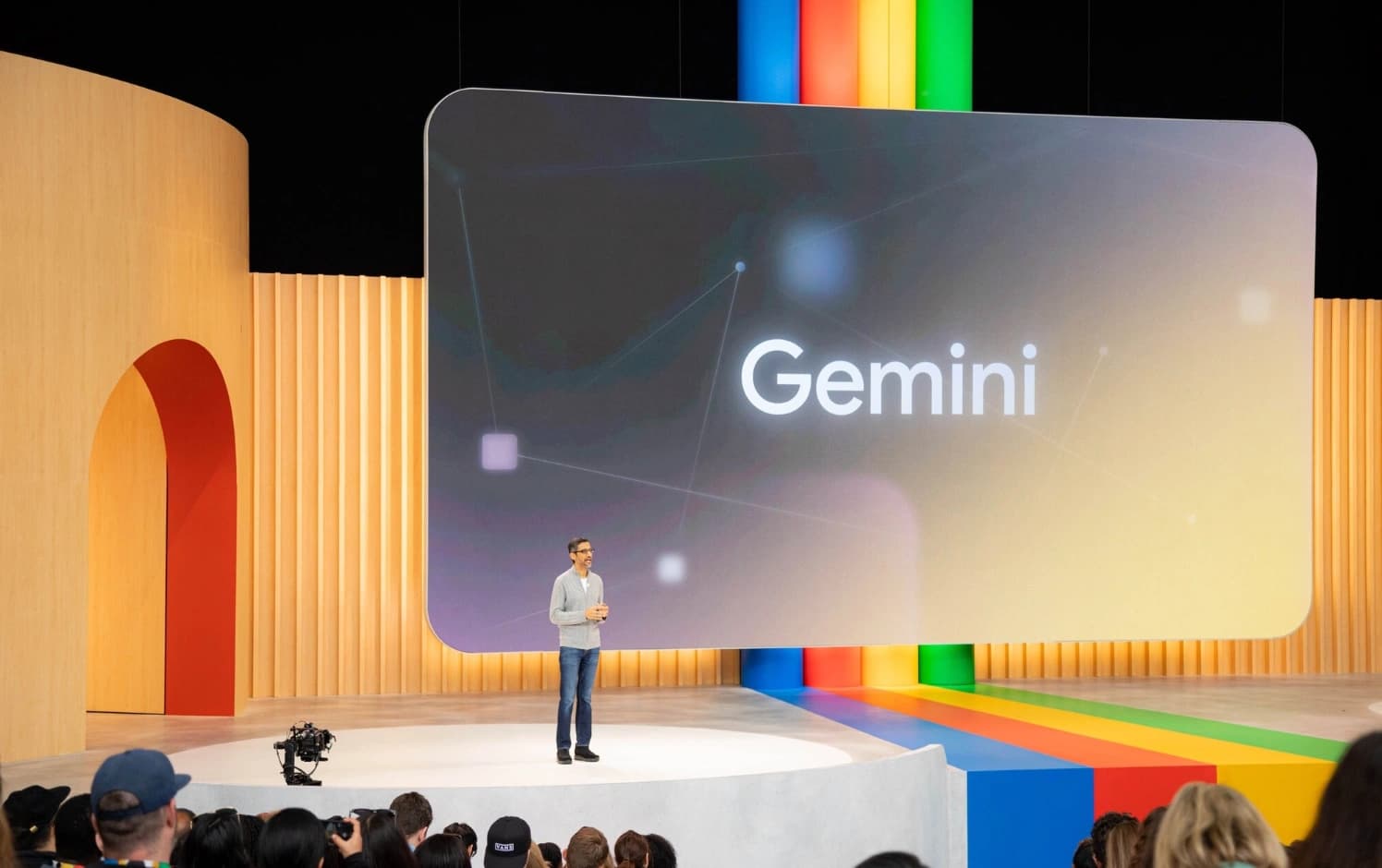
- Google's Gemini 4 Argon launched at $2/$10 per million input/output tokens and posts 77.9% on DeepSWE v1.1, while OpenAI's GPT-6.1 Sol is priced at one-fifth of GPT-6 Astra's rate — two frontier-model price cuts in one week that directly pressure Anthropic's enterprise renewal pipeline.
- Both launches signal that Google and OpenAI are competing on capability-per-dollar rather than margin, compressing the pricing floor across the entire frontier model market simultaneously.
- Watch Anthropic's and mid-tier AI API providers' enterprise contract renewal rates over the next 60 days — the first measurable test of whether this pricing pressure translates into real customer churn.
Two frontier AI model launches in one week, both priced aggressively below market expectations — that is the story that will drive enterprise AI contract negotiations for the next two quarters. Google's Gemini 4 Argon dropped at $2 per million input tokens and $10 per million output tokens, posting 77.9% on the DeepSWE v1.1 coding benchmark and tying for first at 68% on CWE-bench. Within days, OpenAI answered with GPT-6.1 Sol at one-fifth the price of GPT-6 Astra. The frontier AI model market just experienced simultaneous compression from both of its dominant players, and Anthropic is standing in the middle of it.
The Benchmark Numbers That Set the Pricing Floor
Gemini 4 Argon's 77.9% on DeepSWE v1.1 and 68% on CWE-bench are not marketing abstractions — they are procurement decision inputs. Enterprise buyers evaluating AI coding tools for software development pipelines use exactly these benchmarks to justify vendor selection to procurement committees. At $2/$10 per million tokens with a 1M token output ceiling, Argon enters the market at a capability-per-dollar ratio that forces immediate comparison against every existing contract. The 1M token output ceiling is particularly significant for long-context enterprise use cases — legal document analysis, large codebase refactoring, financial model generation — where context window limits have been a genuine operational constraint.
Google's pricing strategy on Argon is labeled explicitly as an "intro rate," which experienced enterprise buyers will read as a foot-in-the-door number. The introductory framing matters because it signals Google's willingness to absorb margin compression now to build usage volume and switching costs — the same playbook cloud providers ran with compute pricing a decade ago. Gemini 4 Argon is competing directly against GPT-6 Astra and Claude Opus 5.5 on both benchmark performance and price, and on the price dimension it is currently winning. That is a structural problem for Anthropic, which does not have Google's advertising revenue base or Microsoft's enterprise relationships to subsidize a prolonged price war.
OpenAI's Volume Play and What It Costs Anthropic
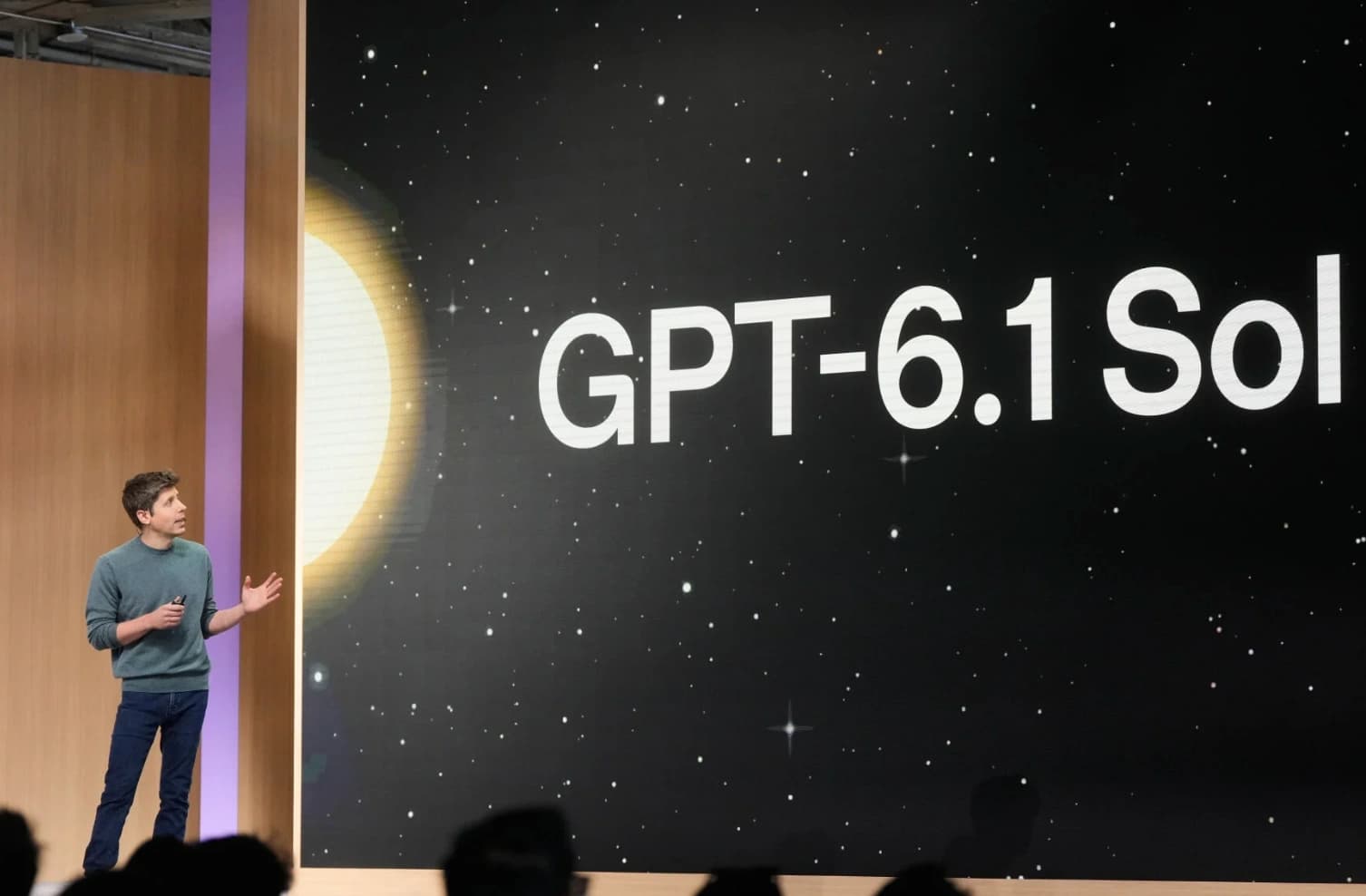
GPT-6.1 Sol at one-fifth of Astra's price is a direct volume-share defense. OpenAI is not trying to win on margin with Sol — it is trying to prevent mid-market and developer-tier customers from migrating to Gemini 4 Argon by offering a credible performance-per-dollar alternative at a price point that forecloses the comparison. This is a classic two-product strategy: Astra holds the premium enterprise tier, Sol defends the volume tier, and together they bracket the market against Anthropic's Claude Opus 5.5 from both directions.
OpenAI's Instinct arm closing a $1 billion funding round in the same week as the Sol launch is not a coincidence. Instinct is the vehicle through which OpenAI is expanding its enterprise services and vertical AI deployment capabilities — the $1 billion gives it a war chest to compete on implementation, customization, and support services at the same moment that Sol is competing on raw API price. That combination — lower API price plus expanded enterprise services funding — is the most complete competitive package OpenAI has assembled against Google and Anthropic simultaneously. The OpenAI-Synopsys deal for GPT-Synopsys chip design AI, which sent Synopsys shares up 7% on the announcement, shows that OpenAI is also moving to capture vertical-specific enterprise relationships that neither Google nor Anthropic has prioritized at the same speed.
What Enterprise Buyers Do Next — and Where Traders Look
The 60-day window following simultaneous price cuts from Google and OpenAI is when enterprise AI procurement teams run their re-evaluation cycles. Contracts signed in Q2 and Q3 2026 at pre-compression rates are the exposure. Anthropic's risk is most acute at the mid-market level — companies spending $50,000 to $500,000 annually on AI API access, where procurement committees are sensitive to per-token cost differentials and less locked in by deep technical integrations than the largest Fortune 500 deployments. Claude Opus 5.5's benchmark performance is competitive, but if Gemini 4 Argon ties it on CWE-bench at a lower price point, the procurement math favors Google for any new contract.
For public market traders, the direct plays here are limited because Anthropic remains private. The indirect read is on Alphabet. GOOGL's AI monetization story has consistently been discounted by the market relative to its actual model deployment progress — Gemini 4 Argon landing with competitive benchmark scores and an aggressive intro price is the kind of product execution that should gradually close that discount, particularly as Google embeds Argon capabilities into Workspace, Cloud, and its developer ecosystem. The Boston Dynamics-DeepMind partnership extending Gemini's reach into robotics further expands the surface area of Google's AI monetization across industrial applications, not just software. The regulatory backdrop adds one layer of complexity: Judge Mehta's Google Search remedy — behavioral restrictions, no Chrome divestiture, limited search data sharing requirements — removes the worst-case structural overhang from GOOGL's valuation without creating meaningful near-term operational constraints.
The date to watch is Alphabet's Q3 2026 earnings, expected in late October, where management will face direct questions about Gemini 4 Argon's enterprise uptake, pricing sustainability, and Cloud revenue acceleration. If Argon's intro pricing is generating measurable API volume growth — the kind that shows up in Google Cloud's revenue line — the market will begin pricing in a more durable AI monetization trajectory for GOOGL. If the volume numbers disappoint, the intro pricing will start to look like desperation rather than strategy. That single earnings call is the next definitive test of whether Google's aggressive model pricing is a market-share capture or a margin sacrifice with no corresponding volume payoff. Until that data hits, the benchmark scores are compelling, the pricing is disruptive, and the pressure on Anthropic's enterprise renewal pipeline is real and measurable.
The Weekly Investor
Daily market analysis for active traders. Free.