Fed Holds at 3.75% But Warsh's Dot Plot Signals a Hike
Kevin Warsh's first FOMC meeting held rates at 3.50–3.75% but the dot plot shifted hawkish. ECB hiked 25bps. Global central banks are diverging fast.
Key Points
- The Fed held at 3.50%–3.75% on June 17 but its dot plot shifted hawkish, with PCE inflation projections jumping from 2.7% to 3.6% and the median implying one more hike before year-end.
- While the Fed holds and debates, the ECB just hiked 25 basis points to a 2.25% deposit rate, citing Middle East war-driven inflation — with Bloomberg projecting two more ECB hikes by September.
- The July 28–29 FOMC meeting is the next live decision point; watch June CPI mid-month and the July 8 FOMC minutes as the two inputs that will determine whether Warsh moves or waits.
The most consequential shift in global monetary policy right now isn't what any central bank did — it's the growing gap between what each one is doing. The Fed is holding at 3.50%–3.75% while weighing a potential hike. The ECB just raised rates by 25 basis points to a 2.25% deposit rate. The Bank of England is split 7-2. The Bank of Japan sits at 0.75% with a Middle East commodity shock accelerating a historic policy pivot. That four-way divergence is the defining macro trade of the second half of 2026.
The Warsh Fed Takes Shape
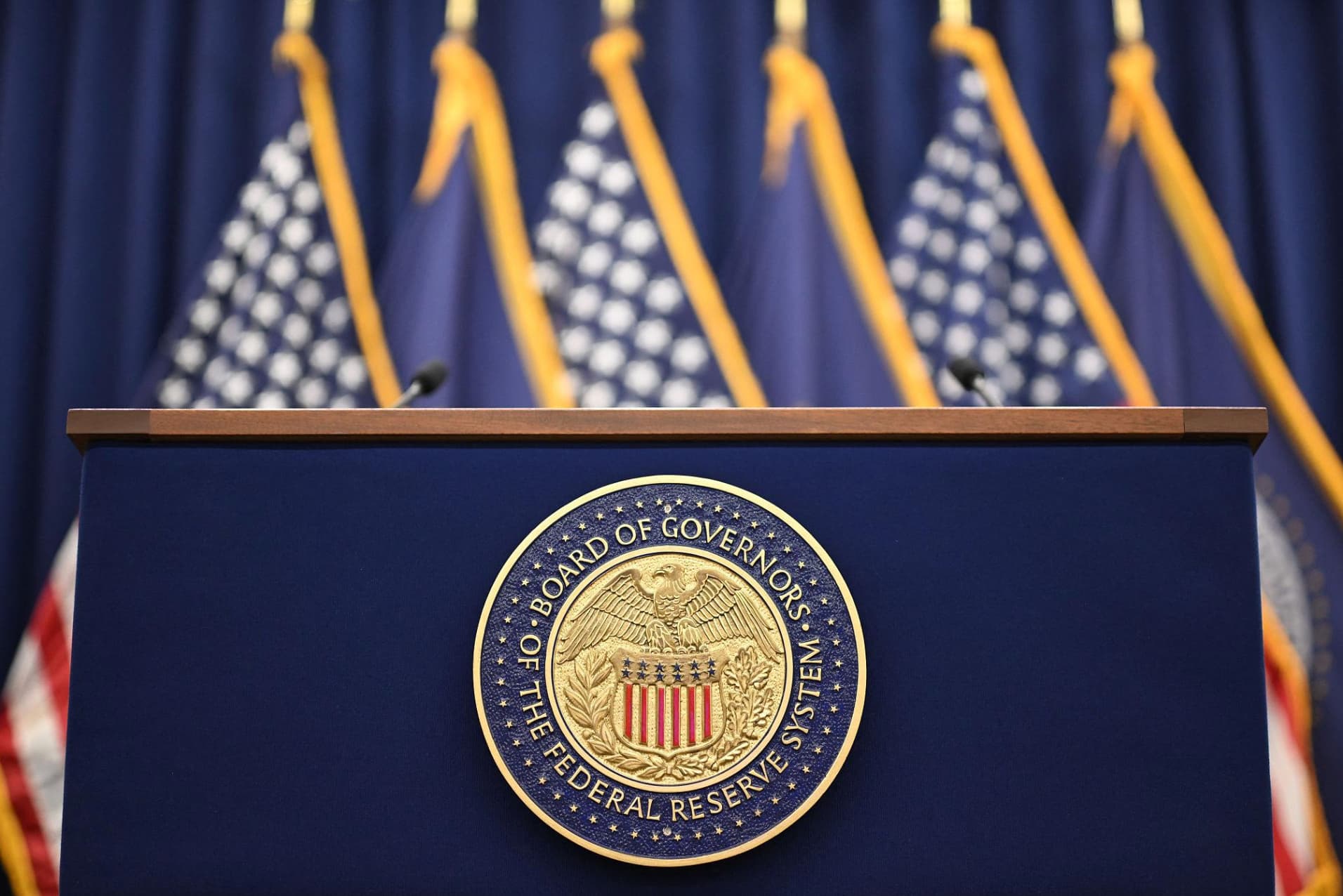
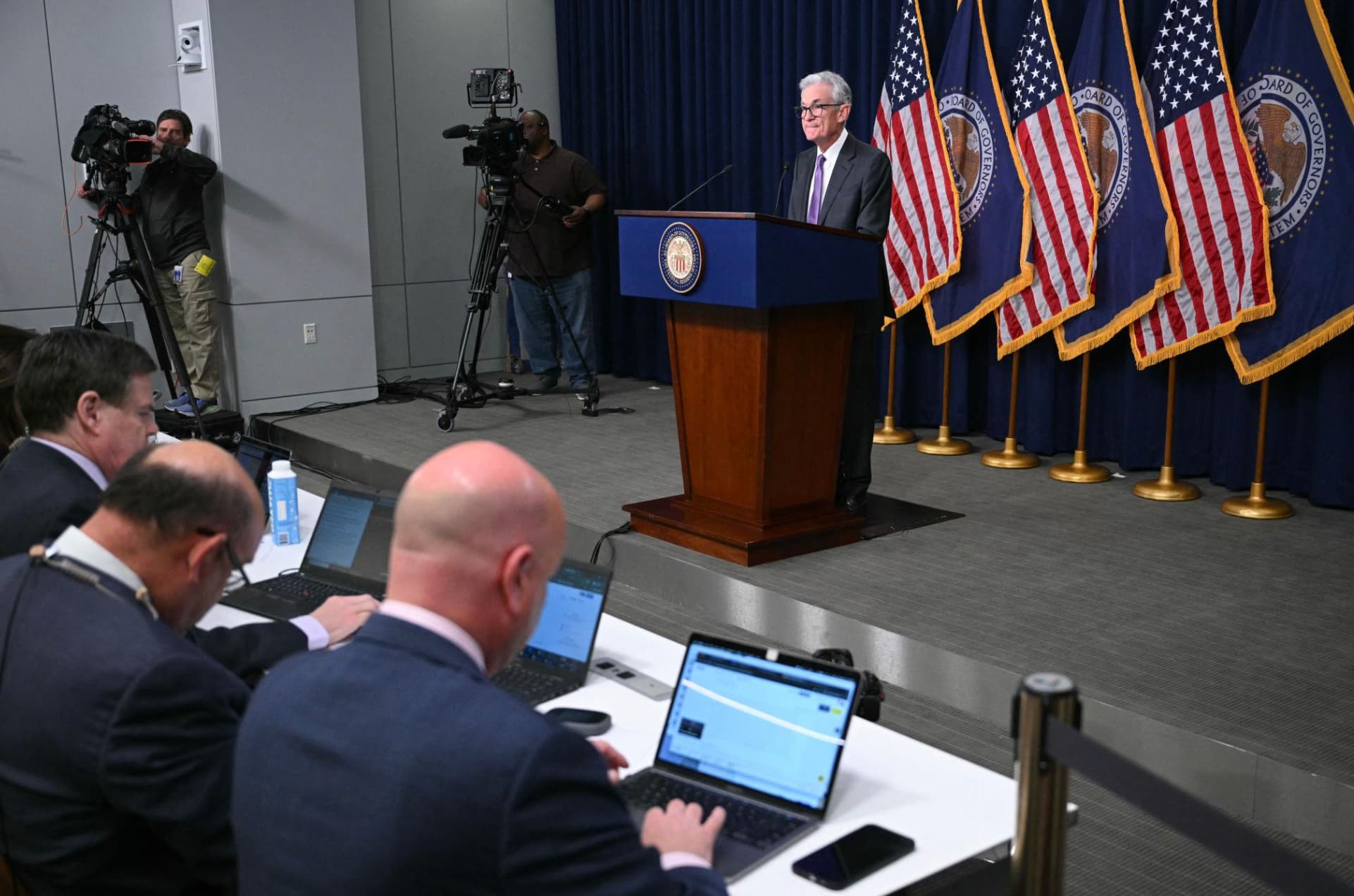
Kevin Warsh's first FOMC meeting as Fed Chair on June 17 produced a hold — but not a dovish one. The federal funds rate remained at 3.50%–3.75%, consistent with the SOFR reading of 3.66% and effective fed funds rate of 3.63% as of July 1. The statement language was deliberate: "economic activity is expanding at a solid pace despite elevated uncertainty," with inflation described as "elevated relative to the Committee's 2 percent goal, in part reflecting supply shocks that have driven price increases in certain sectors, including energy." That framing — inflation elevated, activity solid — is the language of a committee that has not closed the door on tightening.
The dot plot made the hawkish tilt explicit. The median PCE inflation projection for 2026 jumped from 2.7% at the March meeting to 3.6% — a 90-basis-point upward revision in a single quarter, driven primarily by the energy price shock tied to Middle East conflict. GDP growth was simultaneously marked down from 2.4% to 2.2%. The median unemployment forecast edged down from 4.4% to 4.3%. Taken together, the FOMC sees slower growth, lower unemployment, and significantly higher inflation — a configuration that historically pressures central banks to lean hawkish even when activity softens. The dot plot median now implies one rate hike before year-end, and that signal predates today's weak jobs print.
Warsh himself is a crucial variable that markets have not fully priced. As a governor during the 2008 financial crisis and a long-time critic of unconventional monetary policy, Warsh has consistently argued that central banks should move preemptively against inflation rather than wait for lagging data to confirm the problem. His Sintra remarks on July 1 — delivered the day before the payroll report — did not preview any pivot. The FOMC minutes from the June 16–17 meeting, released July 1, will be the first text-based evidence of how forcefully Warsh shaped the internal debate. Markets will re-read every paragraph after today's 57,000-job miss changes the context.
Three Central Banks, Three Different Problems
The ECB's decision to hike 25 basis points on June 11 was the most straightforward of the major central bank moves in June — a committee united behind a single diagnosis: Middle East war-driven commodity inflation is bleeding into European CPI, and the ECB is not going to wait it out. Post-hike rates settled at a deposit facility rate of 2.25%, main refinancing operations at 2.40%, and marginal lending at 2.65%. The ECB's own projections penciled in headline inflation at 3.0% for full-year 2026, decelerating to 2.3% in 2027 and reaching the 2.0% target only in 2028. GDP growth, meanwhile, was revised down to 0.8% for 2026 — the ECB is engineering a slowdown to crush inflation, and it has not apologized for the growth cost. Bloomberg projects two more ECB hikes by September, potentially pushing the deposit rate to 2.75% by December.
The Bank of England's June 17 decision illustrated a committee at war with itself. The MPC voted 7-2 to hold Bank Rate at 3.75%, with two members pressing for an immediate 25-basis-point increase to 4.0%. The dissent is significant: it reflects genuine disagreement about whether energy price volatility from the Middle East conflict represents a persistent inflation shock or a transitory one. Global energy prices — WTI at $73.59, Brent at $73.63 as of June 26 — have fallen from their conflict-driven peaks but remain elevated against pre-war levels. For the Bank of England, every energy price tick matters directly to household bills and CPI. The committee will not hold indefinitely if energy stays sticky; the 7-2 vote suggests the next split could go 6-3 or worse.
The Bank of Japan represents the highest-stakes central bank story of the year, and the Middle East shock has compressed its timeline. With its policy rate at just 0.75%, the BoJ remains dramatically below every major peer — a legacy of three decades of deflation that forced it to hold rates near zero long after inflation returned. But imported commodity inflation driven by a weak yen and elevated energy prices has changed the domestic price calculus. Japan's core inflation has sustained above the 2% target for three consecutive years, and the BoJ's gradualist approach to normalization is now being tested by external shocks it cannot control. Any move toward 1.0% — widely discussed as the next threshold — would have direct implications for yen carry trade unwinding and global capital flows. Watch JGB yields for the signal.
What Traders Watch Next
The immediate tactical question for dollar-denominated assets is whether today's 57,000-job miss is sufficient to break the Fed's conditional tightening bias — or merely delay it. The answer depends almost entirely on two upcoming data releases. First: the June FOMC minutes on July 8, which will show whether the committee's hawkish dot plot reflects a fragile consensus or a durable one. Any language suggesting the June hold was close — that several members nearly voted to hike — would tell markets the bar for a July or September move is lower than the post-payroll futures repricing implies. Second: the June CPI print in mid-July. With headline CPI at 4.2% year-over-year and core at 2.8%, the Fed has no room to declare victory. A CPI surprise above 4.5% would put a July 28–29 hike on the table regardless of what payrolls said today.
The cross-asset divergence trade is already underway. Euro-denominated assets face a more aggressively tightening ECB in a weaker growth environment — the textbook recipe for EUR/USD pressure, but with a twist: if the Fed pauses and the ECB hikes twice more, the rate differential narrows, potentially supporting the euro. Meanwhile, the dollar index (DXY) has historically struggled when U.S. rate hike odds retreat against a backdrop of global tightening elsewhere. The 10-year Treasury yield at 4.48% — 31 basis points above the 2-year at 4.17% — is a curve that is steepening as markets push long-end rates higher on fiscal concerns while the front end reprices Fed expectations lower. That steepener has room to run. The 10-year's behavior at the 4.50% level heading into the July 8 minutes release is the specific level traders should mark.
The Weekly Investor
Daily market analysis for active traders. Free.