
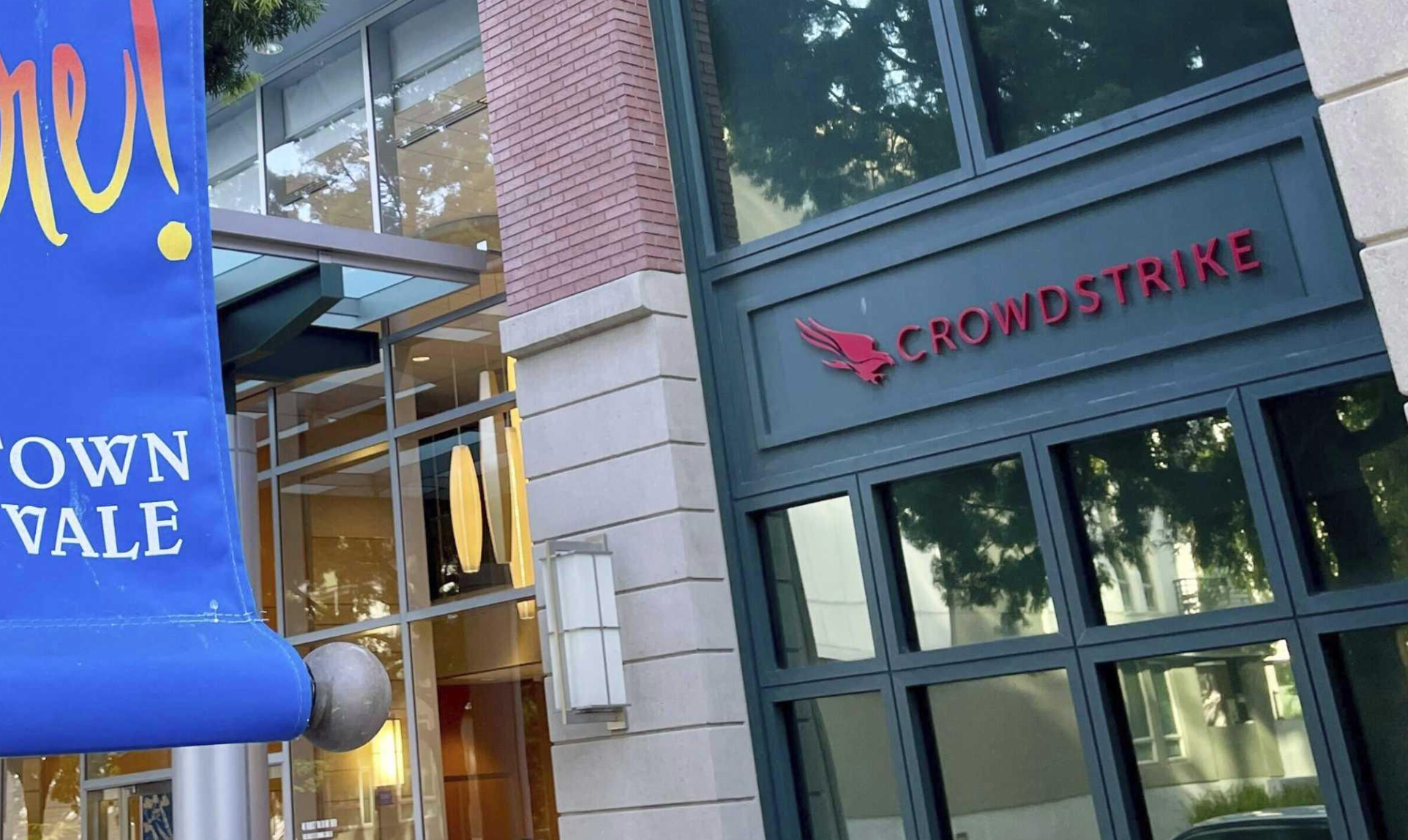
CrowdStrike 4-for-1 Split Live; Arete Cuts to Neutral at $730
CrowdStrike's 4-for-1 stock split is effective today as Arete downgrades to Neutral at $730, citing valuation after a 6.4% surge on June 29.
Key Points
- CrowdStrike's 4-for-1 stock split is effective today, July 1, 2026, following a 6.40% surge on June 29 driven by Wells Fargo raising its price target from $500 to $900.
- Arete Research downgraded CRWD to Neutral from Buy with a $730 price target this morning, a signal that the rally has front-run the fundamental setup heading into fiscal Q2.
- CEO George Kurtz and other executives executed open-market share sales ahead of the split, adding an insider-selling overhang that traders need to weigh against the post-split demand narrative.
CrowdStrike's 4-for-1 stock split is live as of market open today, July 1, and the timing couldn't be more loaded: Arete Research cut the stock to Neutral from Buy with a $730 post-split price target on the same morning, pushing back directly against the Wells Fargo-fueled 6.40% surge that CRWD logged on June 29. The split creates accessibility optics, but Arete's move signals that at current prices, the valuation math is doing heavy lifting that the near-term fundamentals may not support.
The Split Mechanics and What Drove the Pre-Split Surge
A 4-for-1 split means every existing CRWD shareholder receives three additional shares for each one held, with the price per share adjusted proportionally. Splits do not change market capitalization, and in isolation they carry zero fundamental significance. What they do — historically — is broaden the retail shareholder base and, in liquid large-caps with strong momentum, occasionally trigger a short-term demand pop as lower nominal price points attract smaller accounts and options traders seeking cheaper premium structures. Whether that effect materializes in CRWD today depends entirely on how the Arete downgrade lands with institutional holders, who set the marginal price.
The June 29 surge that preceded the split was driven by Wells Fargo's aggressive price target revision — from $500 to $900, a $400 move that implied roughly 24% additional upside even after the jump. Wells Fargo's bull case rests on CrowdStrike's most recent fiscal Q1 FY2027 results, which showed revenue growth of 23.2% year-over-year and a free cash flow margin of 34%. Those are elite numbers for a company of CrowdStrike's scale — FCF margins north of 30% are rare in large-cap software — and they reflect a platform that has continued consolidating enterprise security spend despite the operational disruption from the July 2024 sensor update incident. The market's willingness to price CRWD at a premium to the software group reflects confidence that the Falcon platform's competitive moat has survived the reputational test.
Why Arete Pulled the Buy Rating Today
Arete's $730 post-split price target isn't a bear call — it implies only modest downside from current levels, not a fundamental thesis break. The downgrade is a valuation call, and a specific one: at the price levels implied by the Wells Fargo-driven move, CRWD is trading at a multiple that already prices in continued execution through fiscal 2028, leaving limited margin for error on either the revenue growth trajectory or FCF conversion. That's a meaningful risk flag heading into a fiscal Q2 report that hasn't been scheduled publicly but is likely to land in late August or early September, as CrowdStrike operates on a January fiscal year end.
The insider selling is a separate but related data point that traders shouldn't dismiss. CEO George Kurtz and other named executives executed open-market share sales in the days ahead of the split becoming effective. Insider sales ahead of a split are not inherently sinister — executives routinely manage concentrated position risk and planned diversification programs — but the combination of open-market sales by the CEO immediately before a high-profile catalyst event introduces an overhang. The question for institutional holders watching the post-split tape today is whether the selling was purely systematic or whether it reflects any leadership-level view on the stock's near-term ceiling. Without a Form 4 disclosing whether the sales were pre-scheduled under a 10b5-1 plan, the market will treat the ambiguity as a mild negative.
The Macro Setup and What Levels Matter From Here
CrowdStrike operates in a sector that is structurally insulated from the near-term macro pressures weighing on most of the equity market. Enterprise cybersecurity budgets are among the last line items cut in a slowdown — the threat environment doesn't pause because CFOs are nervous about growth, and the regulatory requirements around breach disclosure have made security spending increasingly non-discretionary. With the Fed funds rate sitting at 3.63% and the 10-year Treasury at 4.38%, the cost of capital is elevated enough to compress multiples on high-duration growth names across the board, but CrowdStrike's 34% free cash flow margin partially offsets that pressure by demonstrating near-term cash generation rather than purely forward earnings promises.
The competitive landscape is worth watching closely. Microsoft continues pushing its Defender suite deeper into enterprise accounts, leveraging existing M365 relationships to compete on bundled pricing. SentinelOne has been aggressive on mid-market accounts. Neither threat is new, but the question of whether CrowdStrike's revenue growth decelerates from 23.2% toward the high-teens percentage range in fiscal Q2 will be the defining data point for whether the current multiple is defensible. Stock movers in the cybersecurity space have been unusually volatile around earnings prints in 2026, and CRWD will be no exception.
The post-split demand dynamic is also complicated by the broader Q2 earnings season backdrop. Mega-cap tech — Amazon on July 30, Alphabet on July 28, Meta on July 29 — will dominate investor attention and capital allocation from mid-July onward. That creates a window over the next three weeks where CRWD's post-split momentum either holds on its own merits or fades into the background as the market rotates toward earnings positioning. At $730, Arete is effectively saying the stock is fairly valued on a risk-adjusted basis for this window. Wells Fargo's $900 target implies the growth narrative gets a fresh endorsement on the next quarterly print.
The specific level to watch is the post-split equivalent of the pre-surge closing price — approximately $680 adjusted for the 4-for-1. If CRWD holds above that level through the first two weeks of July, the split-demand thesis gets partial validation and the Wells Fargo bull case stays live into the Q2 print. A close below $680 before July 15 would signal that the institutional reaction to the Arete downgrade is overriding the retail accessibility argument, and the stock would likely consolidate until the fiscal Q2 report gives the market a new fundamental anchor. Watch the August earnings date confirmation — whenever management schedules the call, that date becomes the next hard catalyst for the cybersecurity sector's most closely tracked name.
The Weekly Investor
Daily market analysis for active traders. Free.