BOJ at 31-Year High, ECB Hiking: The Rate Divergence Trade
The BOJ just hit 1.00% — a 31-year high. The ECB hiked in June. The BoE hikes next month. Global central bank divergence is the macro trade of 2026.
Key Points
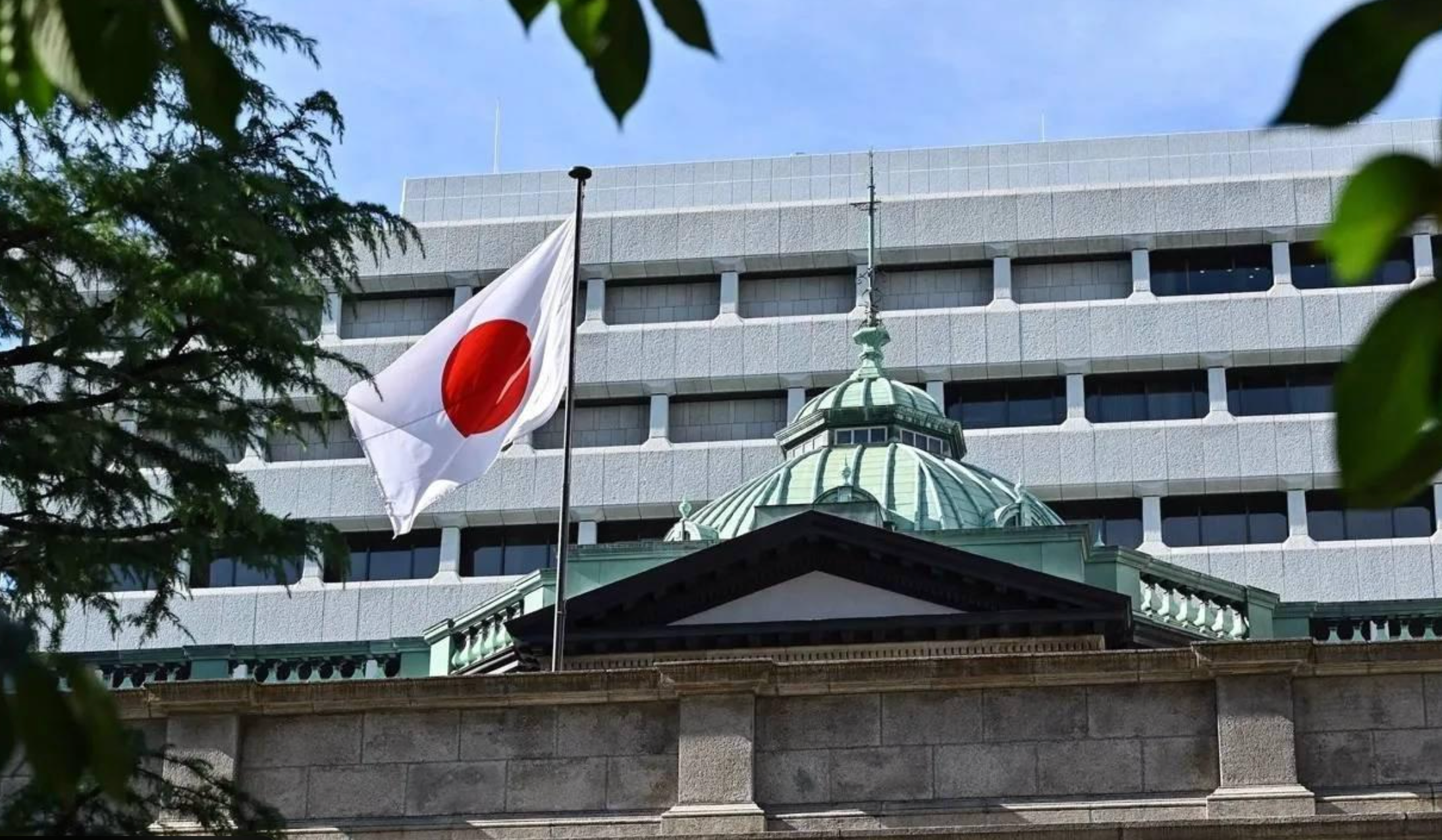
- The Bank of Japan raised rates to 1.00% on June 16 — the highest policy rate since September 1995 — with a 7-1 vote and board member Naoki Tamura explicitly targeting a neutral rate of around 2%.
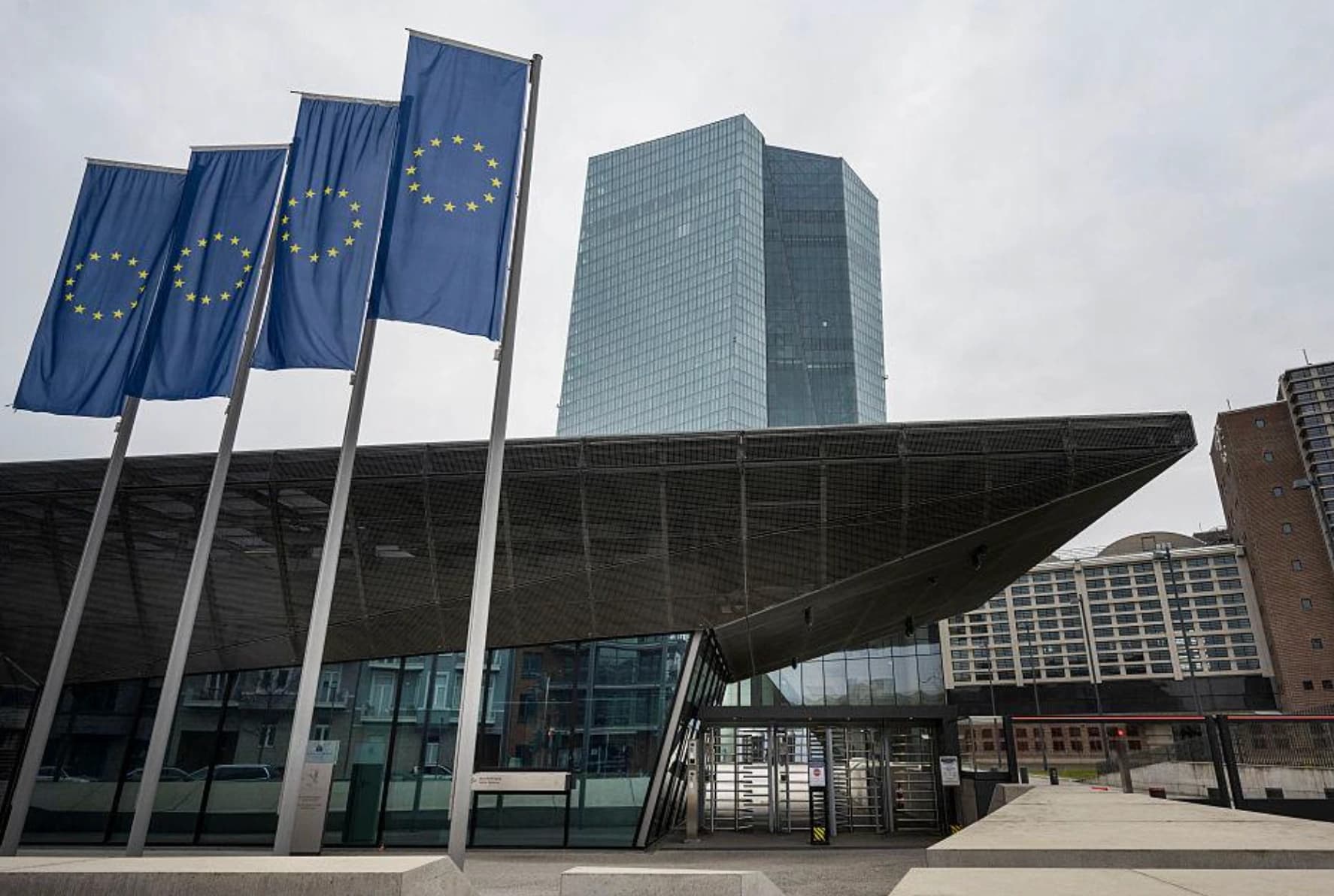
- The ECB hiked 25 basis points on June 11 to a 2.25% deposit rate and is projected to hike twice more by fall, while the Bank of England is expected to move in July — making every major developed-market central bank either hiking or hike-leaning simultaneously.
- The yen at 160.22 against the dollar — despite ¥11.7 trillion in BOJ intervention — signals that the currency pressure trade is not resolved, and USDJPY remains the most live expression of the global divergence thesis.
The Bank of Japan raised its policy rate to 1.00% on June 16 — a 31-year high — spent ¥11.7 trillion trying to defend the yen in May, and the currency still sits at 160.22 against the dollar. That single data point encapsulates the defining macro tension of mid-2026: every major developed-market central bank is tightening simultaneously, but the dollar is holding because the Fed is the last one expected to hike, and markets are front-running that move. The divergence trade is alive, complex, and generating real volatility across FX, fixed income, and commodities.
The BOJ Has Changed the Game — but the Yen Hasn't Moved
The BOJ's June 16 decision was the most structurally significant central bank move of the year, even if markets treated it as a one-day event. A 7-1 vote to raise rates to 1.00% — with only board member Asada Toichiro dissenting on concerns about production and employment downside — signals that the committee's consensus for tightening is durable, not fragile. The Nikkei rose 0.46% on the day. The yen barely budged. That tells you everything about the market's skepticism that 1.00% is anywhere near enough to close the yield differential with the U.S.
BOJ board member Naoki Tamura's recent guidance is unambiguous: the policy rate should move "gradually toward a neutral level of around 2%," with hikes at intervals of a few months. His baseline calls for 25-basis-point increments, and he added that if inflation risks intensify, the BOJ should "accelerate the pace of rate hikes without hesitation." Deputy Governor Himino told parliament there is "a risk underlying inflation may deviate upward from our target." The forward guidance from Tokyo is as hawkish as it gets for an institution that spent three decades near the zero lower bound. The math is brutal: even at 2%, the BOJ's neutral rate sits 163 basis points below the current U.S. fed funds rate of 3.63%. Until that gap narrows meaningfully, yen bears have structural cover.
The ¥11.7 trillion ($73.5 billion) intervention in May was the largest single-month FX operation in Japanese history, and USDJPY is still at 160. That is not a failure of nerve — it is a failure of arithmetic. Currency intervention without a corresponding rate differential is a rearguard action, not a solution. The BOJ knows this. Tamura's 2% target language is the real intervention tool. The question for traders is the pace: if the BOJ moves at every meeting from here — roughly once per quarter — it reaches 1.75% by mid-2027. That's a slow grind, and until the destination is close, USDJPY will remain capped on the downside.
The ECB and BOE: Europe Is Tightening Into a Slowdown
The ECB's June 11 decision to hike 25 basis points was framed explicitly around war-driven inflation — the same Middle East dynamic pressuring the Fed — but the Eurozone's economic backdrop is meaningfully weaker than the U.S. ECB staff now projects Eurozone GDP growth at just 0.8% in 2026, down from prior estimates, with 1.2% in 2027. Headline inflation is running at 3.0% for 2026 in the staff projections, with core at 2.5%. The ECB is hiking into a near-stagnation scenario, which is a fundamentally different policy calculation than the Fed faces with U.S. growth still running at 2.2%.
Post-hike ECB rates: deposit facility at 2.25%, main refinancing operations at 2.40%, marginal lending facility at 2.65%, all effective June 17. Bloomberg's consensus projects two additional hikes by September, potentially pushing the deposit rate to 2.75% by December. BNP Paribas Wealth Management's base case is more cautious — one hold following June, data-dependent through year-end. The range of outcomes in Europe is wider than in the U.S. precisely because the growth-inflation tradeoff is more acute. A Eurozone PMI that deteriorates sharply through July and August could force the ECB to pause even as inflation stays elevated — a scenario that would pressure the euro and complicate the ECB's credibility.
The Bank of England's situation is the cleanest of the three. The MPC held at 3.75% in June, but BNP Paribas Wealth Management is explicit: a July hike is expected. The BoE has been the most reactive of the major central banks to the Iran-driven energy price shock, and with UK energy costs more directly tied to European gas markets, the inflationary impulse from $73.63 Brent is proportionally larger for British households than for American ones. A July move would put Bank Rate at 4.00%, its highest since the post-2008 normalization cycle. Sterling's trajectory from here depends almost entirely on whether the BoE can hike without tipping the UK economy into contraction — a balance that looked comfortable three months ago and looks considerably less so now.
The Dollar Stays Bid Until the Fed Moves — Watch These Dates
The dollar index (DXY) is the scoreboard for all of this. With SOFR at 3.66% and the U.S. fed funds rate at 3.63%, dollar-denominated short-term assets are still the highest-yielding in the developed world by a substantial margin. The ECB deposit rate at 2.25% is 141 basis points below U.S. overnight rates. The BOJ at 1.00% is 263 basis points below. The BOE at 3.75% is the closest — just 12 basis points above the U.S. upper bound — but sterling's economic fragility limits its appeal as a dollar alternative.
The scenario that breaks the dollar's dominance is a confirmed Fed hike — not the threat of one, but the actual execution. If October 28–29 becomes a live FOMC meeting and the committee delivers 25 basis points, the fed funds rate hits 3.75%–4.00%. That would re-widen the differential against everyone except the BOE, keeping dollar bid. Paradoxically, a Fed hike could strengthen the dollar further in the short run, even as it validates the global tightening cycle. The DXY break to watch on the downside is 100.00 — a level that would require either a sharper-than-expected U.S. economic deterioration or a simultaneous acceleration in BOJ, ECB, and BOE hikes that outpaces the Fed.
For the immediate week, Wednesday's FOMC minutes are the catalyst that could shift the DXY by 50–75 basis points intraday. Hawkish language confirming October as a live meeting would firm the dollar and pressure USDJPY higher — testing 162 on the break. Conversely, minutes that reveal significant internal debate about growth risks could give yen bulls their first real entry point since the May intervention, with 157 as the initial target. The BOE's July meeting — expected within the next three weeks — is the secondary calendar event. A 25-basis-point hike to 4.00% would be the first time Bank Rate has exceeded the U.S. upper bound of 3.75% in this cycle, and that sterling dynamic is worth watching for any trader running dollar-pairs exposure into August.
The Weekly Investor
Daily market analysis for active traders. Free.