
Bitcoin ETF Inflows Hit 5-Day Streak — First Since April
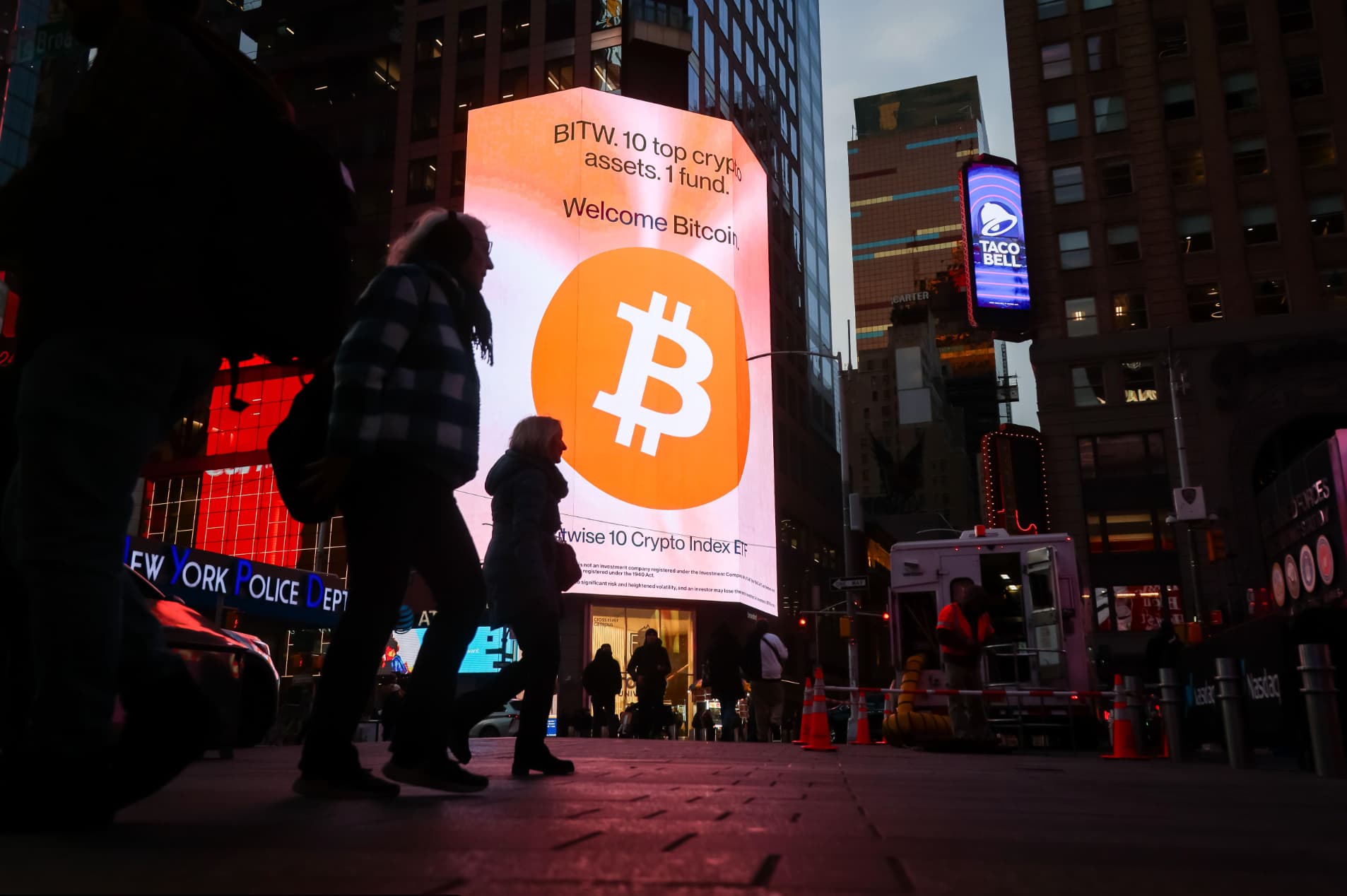
Bitcoin ETF inflows extend to a fifth straight day, pulling in $727M as BTC trades near $65,267. Here's what the flow reversal means for traders.
Key Points
- Bitcoin spot ETFs logged a fifth consecutive day of inflows totaling roughly $727 million — the first such streak since April — after a 10-day outflow run that drained $2.73 billion.
- The reversal coincides with BTC pushing to a one-month high of $65,700, but the Fear & Greed Index dropping to 25 (Extreme Fear) signals institutional buying has not yet translated into broad retail confidence.
- The July 28–29 Fed decision is the single biggest near-term catalyst; with BTC holding $64,000 as a floor and ETF flows turning positive, a dovish signal could trigger the next leg toward $70,000.
Bitcoin spot ETFs just snapped a streak that was quietly suffocating the bull case. Five straight days of net inflows — the first such run since April — pulled in roughly $727 million total, reversing a 10-day exodus that had yanked $2.73 billion out of the complex. BTC traded at $65,267 this morning, up 0.99% in 24 hours, briefly touching a one-month high of $65,700 before equity jitters ahead of Q2 tech earnings trimmed the spike.
The Damage That Came First
To understand why this week's inflow streak matters, the outflow context is essential. In the 30 days before the reversal, 21 of 30 sessions showed net redemptions from spot Bitcoin ETFs — a structural grind that kept a ceiling on price even as on-chain metrics stayed relatively constructive. The 10-day consecutive outflow streak at the core of that period pulled $2.73 billion from the complex, and the $273 million that has returned over the past two weeks barely covers a fraction of that hole. The flows have turned, but the recovery math is still working against bulls.
What changed the direction matters more than the magnitude. Bitcoin's climb from a June 30 low of approximately $58,900 to today's $65,267 — a gain of roughly 10.7% in three weeks — appears to have crossed a threshold where institutional allocators stopped treating every bounce as a selling opportunity. Open interest in Bitcoin futures rose 3.52% to $48.90 billion, with funding rates remaining neutral, meaning the rally is being built on fresh long positioning rather than short covering alone. Short liquidations of $31.66 million did occur, representing 84.8% of total liquidations, but that is a symptom of directional price movement rather than the primary cause of it.
New Money, New Mandates
The most structurally significant development this week is not the flow number itself — it is who is buying. T. Rowe Price, one of the largest active fund managers in the United States, launched a multi-asset crypto ETF encompassing Bitcoin, Ethereum, and XRP, with five portfolio managers making discretionary allocation decisions rather than tracking any index. That is a meaningful departure from the passive-wrapper model that dominated the first wave of spot Bitcoin ETF approvals. An actively managed vehicle from a firm with T. Rowe's distribution reach signals that fiduciaries who spent 18 months watching from the sidelines are now building infrastructure to deploy.
Separately, Bitmine disclosed it had expanded its Ethereum treasury to 5.78 million ETH, and Strategy held its Bitcoin position unchanged for a second consecutive week while raising cash reserves to $3.225 billion — the latter using capital to service preferred stock dividends rather than add BTC. The Strategy pause is worth noting: it removes one of the most reliable incremental buyers from the weekly demand picture. The slack has to be absorbed elsewhere, and for now, the ETF complex is doing that work. Tether's $20 million investment in Mercado Bitcoin, Brazil's largest exchange, is a smaller data point but consistent with the broader theme of institutional capital finding new entry vectors into the asset class outside the U.S. ETF wrapper.
What Traders Watch Next
According to CoinDesk, Bitcoin dominance sits at 56.5% of the $2.31 trillion global crypto market cap — a level that historically compresses altcoin performance until a decisive BTC breakout or breakdown resolves directional uncertainty. The Fear & Greed Index at 25 (Extreme Fear) is the sharpest disconnect in today's data: price is near a one-month high, ETF flows have turned positive for five days running, and yet sentiment is deteriorating. That kind of divergence tends to resolve one of two ways — either price rolls over to validate the fear, or fear capitulates and provides fuel for the next leg as sidelined retail buyers re-enter.
The 10-year Treasury yield at 4.55% and the Fed Funds Rate at 3.63% define the macro cage Bitcoin is trading inside. With core CPI still running at 2.6% year-over-year and headline CPI at 3.5%, the Fed has limited room to signal aggressive easing, which caps the liquidity narrative that drove BTC to its all-time high of $126,198 on October 6, 2025. At $65,267, Bitcoin is trading 48% below that peak — a number that sounds bearish in isolation but represents a different setup than it did six months ago, given that ETF infrastructure is now mature, regulatory clarity is advancing on multiple fronts simultaneously, and the SEC has formally designated digital assets as its primary regulatory objective for fiscal years 2026 through 2030.
The immediate technical picture shows BTC futures open interest confirming directional commitment, and the three-week base between $59,000 and $65,700 is now well-established. The July 28–29 Federal Open Market Committee meeting is the single most important near-term event for this trade. If the Fed signals a September cut or softens its inflation language, the combination of positive ETF flows, rising open interest, and neutral funding rates sets up a test of $70,000. If the statement reads hawkish — or if Q2 tech earnings disappoint enough to trigger broad risk-off — $61,500 becomes the first meaningful support to defend. The five-day inflow streak is a real signal. Whether it has staying power depends almost entirely on what Jerome Powell says in eight days.
The Weekly Investor
Daily market analysis for active traders. Free.